Low-Tech Aquarium Basics: Getting Started with the Walstad Method
12 min readLow-Tech Aquarium Basics: Getting Started with the Walstad Method
Imagine a lush, green aquarium that basically takes care of itself. Sounds like an aquarist’s daydream, right? Well, it’s not just a dream – it’s the Walstad Method! This is a low-tech, “dirted” tank style that uses soil, live plants, and light (plus a dash of patience) to create a mini ecosystem in your aquarium. The result? A balanced tank that can thrive with minimal maintenance. If you’re ready to step up your fishkeeping game, you’re in the right place. (In case you’re new to this aquarium game, check out our Home for more beginner-friendly guides.)

What Is a Low-Tech “Dirted” Tank?
A low-tech dirted tank is exactly what it sounds like: an aquarium that relies on dirt (soil) as the substrate, without high-tech equipment. In other words, no fancy CO2 systems, no constant dosing of fertilizers, and often no powered filters. Instead, the tank is set up to let Mother Nature do most of the work. This approach was popularized by Diana Walstad (hence the name “Walstad Method”), who showed that you can maintain a healthy, beautiful planted aquarium with soil, plants, and natural processes.
In a Walstad-style tank, regular potting soil (organic and free of chemicals) is used at the bottom of the aquarium, covered by a layer of sand or gravel. This soil layer is packed with nutrients for your plants. The plants, in turn, act as the filtration system for the water. Because it’s “low-tech,” you won’t be using expensive lights or pumps beyond the basics – just a decent aquarium light and maybe a small sponge filter or air stone for circulation (some Walstad tanks even run with no filter at all once they’re balanced!). It’s all about simplicity and natural balance.
How the Walstad Method Works (Nature’s Balance)
The Walstad Method creates a natural balance between the aquarium’s inhabitants and environment. Think of it as a mini ecosystem: fish and other critters produce waste (like ammonia and other nutrients), and plants happily use that waste as fertilizer. The plants grow and keep the water clean by absorbing toxins, while the fish (or shrimp/snails) enjoy healthier water – a win-win situation!
Here’s the breakdown of how it works:
- Soil Substrate = Nutrient Buffet for Plants: The dirt at the bottom provides essential nutrients (like nitrogen, phosphorus, iron, and more) to the plant roots. As plants root into the soil, they tap into this buffet and grow like crazy. A 1-2 inch layer of organic potting soil is commonly used, capped with sand or fine gravel to keep the dirt submerged and prevent cloudiness in the water.
- Plants = Living Filters: Healthy plant growth is the engine of a Walstad tank. Plants absorb ammonia, nitrite, and nitrate (waste compounds that fish produce) and use them to grow. This natural filtration means you won’t need an overpowered filter – the plants and soil bacteria handle the job of detoxifying the water. The more plants (especially fast-growing ones), the better they compete against algae and keep the tank stable.
- Light and No CO2 Injection: Since this is a planted tank, you’ll need light for photosynthesis. But you don’t need anything extreme – a standard aquarium LED or fluorescent light for about 8-10 hours a day usually does the trick. No pressurized CO2 system is required; the plants get carbon dioxide naturally from fish respiration and decomposition in the soil. (In fact, pumping in CO2 could upset the balance in a Walstad tank.)
- Beneficial Bacteria: Just like any aquarium, good bacteria will establish in the soil and water, converting toxic ammonia to nitrite and then to nitrate. In a Walstad tank, plants eagerly consume those nitrates. Over time, the soil also hosts various microfauna (tiny worms, microbes, etc.) that help break down waste. It’s a whole micro-ecosystem working in harmony.
All these elements work together so that once the tank is mature, it requires very little intervention. It’s like having a self-cleaning aquarium. Pretty cool, right?

Why Choose the Walstad Method? (Benefits of a Dirted Tank)
Going the Walstad way comes with some awesome benefits that make it especially appealing to beginners and laid-back aquarium hobbyists. Here are a few reasons why a Walstad dirted tank rocks:
- Minimal Maintenance: Say goodbye to the weekly water change grind. In a properly set up Walstad tank, you might only do a partial water change a couple of times a year! The plants handle most of the water cleaning. Your main jobs will be feeding the fish and topping off water that evaporates. (Of course, you still keep an eye on water quality, but you won’t be juggling buckets constantly.)
- Natural & Balanced Ecosystem: A Walstad tank is as close to a self-sustaining ecosystem as you can get in a glass box. It’s often called a “nature aquarium” or “natural planted tank” for a reason. Fish and plants balance each other’s needs, and you’re fostering a little slice of nature. The water chemistry stays more stable because of this balance, which can mean happier, less stressed fish.
- Low-Tech = Lower Cost & Complexity: You don’t need CO2 injection systems, fancy filter canisters, or daily fertilizer dosing schedules. Soil is inexpensive (you might even use garden center topsoil or potting mix) and acts as a long-term nutrient source. Overall, a dirted tank can be a budget-friendly setup that doesn’t overwhelm you with tech and tinkering. Less gear, less fuss.
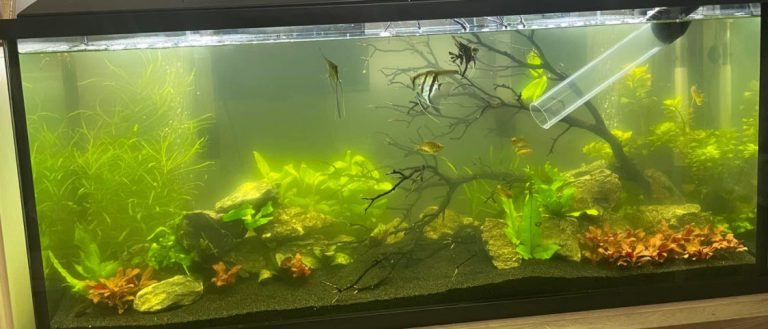
- Lush Plant Growth (No Expensive Substrates Required): With nutrient-rich dirt feeding the roots, plants tend to thrive. You can achieve a beautiful, jungle-like aquascape with robust plant growth. Many hobbyists love the look of a Walstad tank – it often turns into a wild green underwater forest. And you’re doing it without shelling out for costly aquarium soils or tons of supplements.
- Quieter, Natural Aesthetic: Without big filters or bubblers running full blast, a Walstad tank can be very peaceful. You might just have a gentle sponge filter or nothing at all, so the only sounds are the hum of a small light or the quiet buzz of a tiny air pump (if you use one). The visual aesthetic is natural – think of a pond or wetlands vibe, which many find super relaxing to watch.
In short, the Walstad Method is all about simplicity and harmony. It’s perfect if you want an aquarium that doesn’t demand constant attention, and if you enjoy the science-y cool factor of a self-balancing ecosystem.
Setting Up a Walstad Tank: The Basic Steps
Ready to get your hands dirty (literally)? Setting up a Walstad tank is straightforward. Here’s a simple step-by-step overview to get started:
- Pick Your Tank & Materials: Choose an aquarium size (small or large, Walstad works at any scale – even jars!). Gather organic potting soil (no chemical fertilizers added) and some sand or fine gravel for the cap. Also get a bunch of live plants (more on plant types later), a gentle light, and any decor you want (rocks, driftwood, etc.).
- Add the Soil Layer: Lay down about 1 inch (up to 2 inches for bigger tanks) of your soil on the bottom of the empty tank. Pat it down lightly. Remove any big wood chips or debris in the soil that could decay and cause ammonia spikes. You can mix in a bit of clay or mineral supplements if you know what your soil lacks, but it’s optional. Slightly moisten the soil so it’s damp – this helps when filling water later.
- Cap with Sand or Gravel: Gently cover the soil with about 1 inch of sand or fine gravel. This cap is important: it keeps the soil from clouding the water and provides a surface for plants to root in initially. (Tip: If using sand, don’t use super fine sand that might suffocate the soil; a medium grain sand or small gravel is ideal.) Now you have a two-layer substrate: dirt at the bottom, sand/gravel on top.
- Plant Heavily: This is a biggie – plant your tank to the brim with a variety of live plants. Focus on fast-growing species and easy “low-tech” plants. Things like hornwort, water wisteria, Amazon frogbit or other floating plants, Java fern, Anubias, Amazon swords, and crypts are great choices. The goal is to outcompete algae from day one by having many hungry plants sucking up nutrients. Push root plants gently into the substrate (through the cap into the soil). You can also toss in floating plants at the surface. Don’t be shy with quantity; more plants now = less algae and cleaner water later!
- Hardscape (Optional): If you want, add any hardscape decorations like rocks, driftwood, etc., to make your tank look nice. These can provide hiding spots and climbing surfaces for critters. Just avoid burying large decorations deep into the soil layer; you don’t want to trap the soil completely (it needs to breathe a bit).
- Fill Up Carefully: Time to add water. Pour dechlorinated water very slowly into the tank. A pro tip is to pour onto a plate or plastic bag placed over the substrate, so you don’t blast the soil everywhere. The water may get a bit hazy at first – that’s okay, it will settle. Fill it up and set up your filter (if using one). A small sponge filter or gentle hang-on-back filter on low flow is plenty; remember, we’re not trying to create a whirlpool, just some circulation.
- Let It Settle & Cycle: Now comes a little patience. Let the tank run without fish for a while (at least a few weeks) so that the plants establish and the beneficial bacteria multiply in the soil. During this period, you might see a small algae bloom or the water might turn tea-colored from soil tannins – don’t panic. You can do partial water changes if the water becomes very cloudy or tannin-rich early on. It will stabilize as the plants take root and start growing. Keep the light on for ~8 hours a day to help the plants along (you can even do a split photoperiod, like 5 hours on, 4 off, 5 on, to give plants a mid-day rest – some Walstad folks find this helps prevent algae).
- Add Clean-Up Crew: While you’re waiting for the tank to cycle, it’s a great idea to add some clean-up crew critters. Snails are Walstad superstars (more on them in the next section). You can introduce a few snails like Malaysian Trumpet Snails or ramshorn snails early on – they’ll help eat algae and stir the substrate. Hardy shrimp (like ghost shrimp or cherry shrimp) can also be added once the water parameters are stable; they’ll snack on algae and leftover plant matter. These little guys help kickstart the ecosystem balance.
- Gradually Add Fish (If You Want): After at least 4-6 weeks, if tests show ammonia and nitrite are zero and nitrates are under control, you can slowly add fish to your Walstad tank. Start with a small number of fish and don’t overstock – remember, this isn’t a high-tech filtered tank that can support a huge bioload quickly. A few hardy, small fish are best to begin with. Monitor the water chemistry as you add livestock to ensure the plants are keeping up with the waste.
And that’s the basic setup! Before you know it, you’ll have a thriving, green aquarium that pretty much runs itself. Just resist the urge to tinker too much – Walstad tanks actually do best when you “set it and forget it” (aside from feeding and basic care).
Fish, Shrimp, and Snails – The Walstad Crew
One of the coolest aspects of a Walstad tank is that it’s not just about plants – it’s a full ecosystem with animals too. But what kind of fish or invertebrates should you keep in a low-tech, dirted tank? Let’s talk about our aquatic friends and how to choose them:
- Keep It Small and Simple: In Walstad aquariums, especially smaller ones, it’s wise to choose small fish or just invertebrates. The system can only handle a certain amount of waste, so a school of tiny White Cloud Mountain Minnows, guppies, platies, or a betta (just one in its own tank) can work great – provided your tank is big enough. If you have a larger tank, you have more options, but you still want to avoid super messy fish. Steer clear of big goldfish or monster plecos here!
- Shrimp Are Shrimply Amazing: Walstad tanks and shrimp are a match made in heaven. Species like cherry shrimp or Amano shrimp are fantastic additions. They produce a low bioload (so they won’t overwhelm the tank’s balance) and they’re constantly grazing on algae and decaying matter, acting like tiny tank janitors. I’ve found my cherry shrimp are always in a good mood (as far as shrimp moods go!) picking at biofilm and plants in the tank. They add movement and color, and you’ll love watching their quirky antics as they explore your underwater jungle.
- Snail Squad (Your Cleanup Crew): Don’t underestimate snails – they’re not pests in this context, they’re helpers. In fact, many Walstad enthusiasts intentionally add snails. Malaysian Trumpet Snails (MTS) are all-stars because they burrow through the soil and sand, aerating the substrate and preventing gas pockets. They also munch on leftover food and algae. Nerite snails and ramshorn snails are great for cleaning algae off glass and plants (nerites won’t breed in freshwater, so no population explosion). A few snails will go a long way in keeping the tank clean and turning fish waste and decaying leaves into plant fertilizer. It’s the circle of life on a small scale!
- Other Critters: You might also encounter or add tiny hitchhikers like seed shrimp, copepods, or detritus worms in a Walstad tank – these usually come with plants or soil. They are generally harmless and even part of the natural cleanup crew. If you see little white worms or bugs, don’t freak out; they’re part of the micro-ecosystem and often become fish or shrimp snacks.
The key with livestock is balance. A Walstad tank can support fish, shrimp, and snails together, but always avoid overstocking. Fewer creatures producing waste means the plants can keep up and the water stays pristine. If you ever notice your water parameters going funky (ammonia or nitrites showing up), hold off on adding more critters or even reduce stock. But when done right, your fish will be healthy, your shrimp playful, and your snails busy – all contributing to the tank’s equilibrium.

Maintaining Your Walstad Tank (Keeping It Low-Maintenance)
So you’ve set up your dirted tank and added some happy plants and critters – how do you take care of this mini ecosystem long-term? The good news is maintenance is pretty easy and laid-back. Here’s what caring for a Walstad Method aquarium looks like:
- Feeding: Simply feed your fish (and shrimp, if you have them) as you normally would, once or twice a day in small amounts. Be careful not to overfeed – excess food will just rot and could cause water quality issues. Remember, in a Walstad tank there’s no heavy filter to instantly suck up leftovers, so feed a bit less if in doubt. The plants and snails will appreciate any tiny leftovers, but we don’t want to overload the system.
- Water Top-Offs: You’ll likely see water evaporation over days and weeks, so just top off the tank with dechlorinated water as needed to keep the water level steady. Unlike regular tanks where you’d do weekly water changes, here you’re mostly just adding water to replace what evaporates. This helps maintain stable water chemistry over time.
- Water Changes (Rare but Necessary Sometimes): Eventually, minerals from tap water can build up (since you’re not changing water often). Many Walstad keepers do a partial water change (20-50%) only a few times a year. You can aim for maybe once every 4-6 months. This refreshes the system a bit and prevents something called “old tank syndrome.” If your nitrates start creeping up or something seems off, go ahead and do a small water change. Just make sure the new water is treated and roughly the same temperature to avoid shocking your critters.
- No Gravel Vacuuming: Resist the urge to vacuum that substrate! In a Walstad tank, the mulm (detritus) that settles into the gravel/sand becomes plant fertilizer. Vacuuming the soil bed would remove nutrients and disturb plant roots and beneficial bacteria. So, put the siphon away – your cleanup crew (snails, worms, plants) will take care of the substrate. You can gently turkey-baster out any obvious gunk sitting on the surface, but leave the dirt layer alone.
- Pruning Plants: With all those thriving plants, you’ll occasionally need to trim them back. Every few weeks, take a look and prune any overgrown stems or dead leaves. This prevents the tank from getting too crowded and ensures light reaches lower leaves. Plus, the trimmings make great compost, or you can replant them in the tank to fill gaps. A well-planted tank might also mean you rarely see algae, but if you do spot some on the glass, you can gently scrape it off or let your snails handle it.
- Filter & Equipment Checks: If you’re running a small filter or air stone, rinse out the filter sponge in old tank water if it clogs (usually not too often since plants do most of the filtering). Check that your light timer is still on schedule, and that’s about it. Many Walstad aquarists don’t even use heaters, since typical room temperature (68-75°F or 20-24°C) is fine for a lot of hardy tropical plants and fish. But if you do use a heater, just monitor it like normal.
- Observe and Enjoy: Honestly, one of the “maintenance” tasks is just watching your tank. (Tough job, huh?) By observing, you’ll get to know what a balanced Walstad tank looks like. Happy fish, clear water, pearling plants (you might see tiny oxygen bubbles on plant leaves when they’re really happy). If something seems off – like fish gasping, cloudy water, or an algae outbreak – that’s your signal to investigate (maybe test the water, prune more, or do a partial water change). But most of the time, you’ll find that a hands-off approach works best. As one Walstad fan put it: the less you fuss, the better it gets!
Maintenance in a Walstad tank is genuinely relaxed. You’ll spend more time enjoying your aquarium than laboring over it, which is a big part of its appeal. It’s perfect for busy folks or anyone who doesn’t want a hobby that feels like constant chores. Just keep an eye on things, but trust nature to handle the details.
Wrapping Up: A “Balanced” Aquarium Life
A properly set up Walstad tank can truly thrive with minimal intervention – it’s the closest thing to a self-sustaining aquarium you can get. By combining soil, plants, and a little bit of patience, you’re basically inviting nature into your home in the form of a balanced aquatic ecosystem. It’s fascinating, educational, and rewarding to watch this kind of tank mature and become more beautiful over time with very little tweaking from you.
Whether you’re a newcomer looking for an easy first tank, or an experienced hobbyist wanting to try a more natural method, the Walstad low-tech dirted tank is definitely worth a go. It teaches you that sometimes, less is more in fishkeeping. Fewer gadgets, fewer chemicals, less work – yet an abundance of life and growth.
Give the Walstad Method a try, and you might find yourself kicking back and enjoying your aquarium like never before. After all, what’s better than a gorgeous aquarium that more or less takes care of itself? That’s the magic of a low-tech Walstad tank – a little underwater garden where fish, plants, snails, and shrimp all live in harmony, and where you get to sit back, relax, and appreciate the view. Happy (low-tech) fishkeeping!