Newcomers to low-tech planted tanks often run into pitfalls that can harm fish or shrimp. Here are 10+1 common mistakes (especially in low-tech setups) and how to fix them – so you can prevent issues like algae blooms, cloudy water, or ammonia spikes and keep your tank thriving.
Mistake 1: Using the wrong substrate or a very thick soil layer (this can trigger initial ammonia spikes and fuel algae blooms).
Solution: Use an appropriate substrate depth and type. A thin layer of nutrient-rich soil (capped with sand or gravel) is usually enough – avoid a deep mulm of soil. If you use active aquasoils, allow the tank to cycle fully (several weeks) before adding livestock to let excess ammonia leach out. In low-tech tanks, “less is more” for substrate; too much enriched soil means excess nutrients that algae can exploit.
Mistake 2: Pouring water directly into the tank and stirring up the substrate (causes cloudy, muddy water).
Solution: Pour water slowly and gently onto a surface to diffuse its force. For example, place a plate, plastic bag, or piece of plastic wrap over the substrate and pour water onto it, or pour onto hardscape (rocks/wood) instead. This way, you won’t kick up dirt and debris – keeping the water clear. Patience is key: fill the tank gradually to avoid a murky mess.
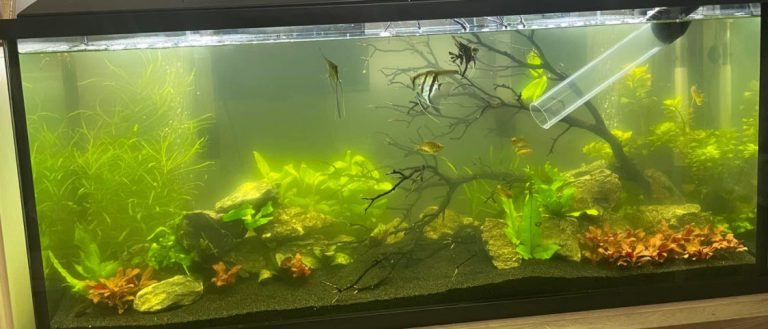
Mistake 3: Not cycling the tank before adding fish/shrimp (adding livestock to an uncycled tank leads to toxic ammonia/nitrite buildup).
Solution: Cycle your aquarium first – that means establishing beneficial bacteria that break down waste. Don’t introduce fish or shrimp on day one. Instead, set up the tank with filter running (and maybe a bacteria starter), add an ammonia source (like fish food or pure ammonia), and test the water over a few weeks. Wait until ammonia and nitrite drop to 0, indicating the cycle is complete. Cycling requires patience, but it will save your livestock from “New Tank Syndrome” and deadly water conditions.
Mistake 4: Not planting enough in a new tank, or choosing hard-to-grow plants (a sparsely planted tank gives algae free rein due to little competition).
Solution: Plant densely from the start with hardy, fast-growing species. Aim to cover a large portion of the substrate (at least ~50–70% of the tank) with plants early on. Easy low-tech plants like Java ferns, mosses, Anubias, crypts, or floating plants will absorb excess nutrients and help outcompete algae. Avoid delicate high-light plants that require CO₂; stick to robust varieties that thrive in low-tech conditions. A well-planted tank creates a natural balance and prevents algae blooms.
Mistake 5: Using too much light or leaving lights on too long (excess light in a low-tech tank almost always leads to algae).
Solution: Dial back your lighting. Use a moderate-intensity light appropriate for low-tech plants, and limit the photoperiod to about 6–8 hours per day (10 hours max). Avoid placing the tank in direct sunlight, which can intensify algae growth. If you notice algae, consider reducing light duration or intensity, and try adding floating plants or dimming the light. Remember, without injected CO₂, plants can’t utilize very high light – so keeping light in balance with plant needs will prevent algae issues.
Mistake 6: Overfeeding your fish or shrimp (excess food decays and pollutes the water, causing ammonia and algae).
Solution: Feed sparingly. Offer small amounts that your fish/shrimp can consume in a few minutes. Any uneaten food should be promptly removed with a net or siphon. A general rule is to feed an amount roughly the size of the fish’s eye (per day) or only what they can eat within 2-3 minutes. In a new low-tech tank, fish appetite might be lower, so resist the urge to overfeed. Remember that less is more – overfeeding is a top cause of poor water quality and algae, so stick to a light feeding schedule to maintain a balanced environment.
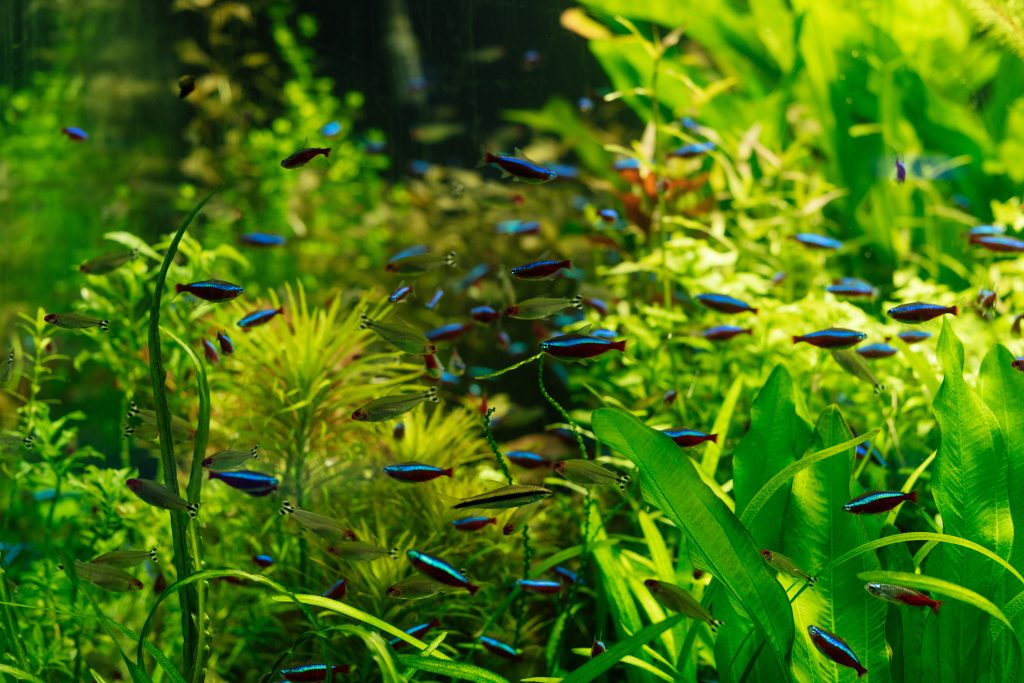
Mistake 7: Adding too many fish or shrimp at once, or overstocking a small tank (too much bioload leads to stress, poor water quality, and disease).
Solution: Stock gradually and moderately. Start with only a few hardy fish or shrimp after cycling, then slowly increase over weeks – this gives beneficial bacteria time to adjust to the higher waste load. Ensure your tank size is appropriate for your fish’s adult size and needs. A rough guideline is the “one inch of fish per gallon” rule, but always account for each species’ requirements and swimming space. In a low-tech setup, lighter stocking is easier to maintain. Avoid the temptation to cram in lots of livestock early on, as overstocking can quickly spike ammonia and nitrates, endangering your pets.
Mistake 8: Skipping regular water changes and tank maintenance (allows waste and toxins to accumulate, leading to algae and health issues).
Solution: Do consistent partial water changes. In a new tank, changing about 20–30% of the water every week helps remove excess nutrients, waste, and pollutants. This prevents algae outbreaks and keeps the water parameters stable for your fish and plants. As the tank matures, you can adjust the schedule (for example, 30-40% biweekly in an established tank), but the key is consistency. Use a gravel vacuum to lightly clean the substrate surface if detritus is visible. Regular maintenance – water changes, removing dead leaves, cleaning algae off glass – will keep your low-tech tank healthy. Simply topping off water for evaporation isn’t enough; you need to actually remove and replace water to export wastes.
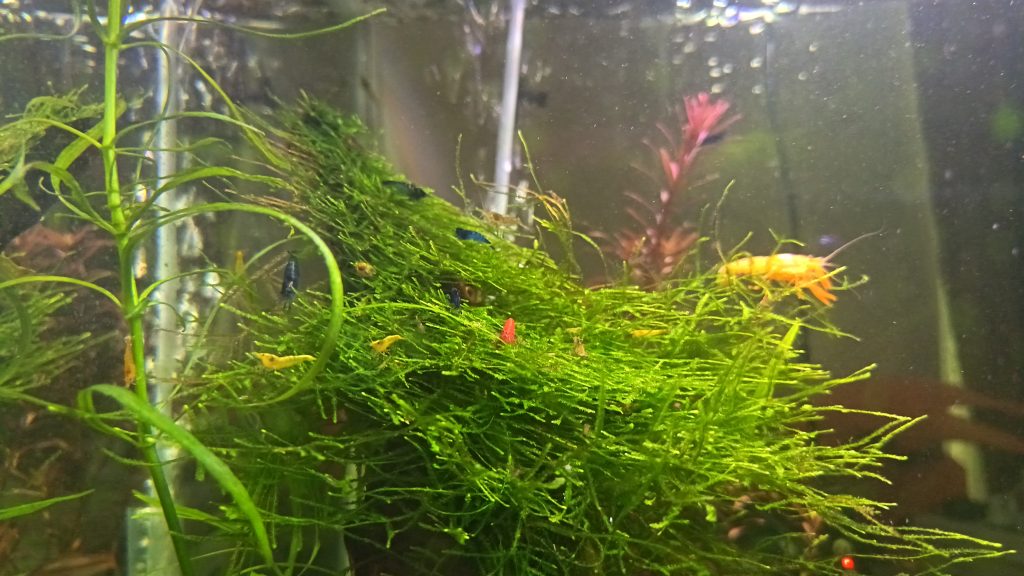
Mistake 9: Using untreated tap water for tank setup or water changes (chlorine/chloramine in tap water can kill fish and beneficial bacteria).
Solution: Always dechlorinate new water. Tap water must be treated with a water conditioner that neutralizes chlorine and chloramine before it goes into your tank. Prime, API Tap Water Conditioner, or similar products will make the water safe. This is critical whenever you do a water change or top-off. Failing to use conditioner can burn fish gills and destroy the helpful bacteria in your filter, leading to spikes in ammonia. Also, match the temperature of new water to the tank to avoid shocking your pets. In shrimp tanks, consider also using a conditioner that detoxifies heavy metals (since shrimp are sensitive to copper).
Mistake 10: Over-cleaning or frequently replacing filter media (scrubbing or swapping out the filter can wipe out beneficial bacteria).
Solution: Be gentle with your filter. Never wash filter sponges or media under chlorinated tap water, and don’t throw away filter cartridges unless absolutely necessary. Instead, rinse filter sponges or cartridges in a bucket of old tank water to remove debris, then put them back – this preserves the good bacteria. If your filter uses disposable cartridges, consider switching to reusable sponge or ceramic media so you’re not constantly discarding the bio-colony. Clean the filter only when flow is noticeably reduced, and even then, only rinse the media lightly. Maintaining your bio-filter ensures the tank can break down ammonia efficiently, keeping the water safe for fish.
Mistake 11: Impatience – making drastic changes or overreacting to problems (sudden big changes can upset the tank’s balance and harm livestock).
Solution: Take it slow and steady. If you encounter algae or other issues, resist the urge to dump in chemicals or overhaul the tank overnight. Abrupt actions (like a 100% water change, over-correcting pH, or adding multiple treatments at once) often do more harm than good by shocking the system. Instead, address issues methodically: make one adjustment at a time (reduce lighting, adjust feeding, tweak fertilization, etc.) and observe. Patience is key in fishkeeping – give your low-tech tank time to stabilize naturally. Many problems in new setups will resolve with consistent maintenance and time. Enjoy the process and learn as you go, rather than chasing instant perfection.