Allelopathy is one of those topics that feels dramatic enough to be true: plants releasing chemicals to suppress competitors.
In aquatic ecology, allelopathy is absolutely studied. There are reviews discussing how aquatic plants (macrophytes) may suppress phytoplankton and cyanobacteria through multiple mechanisms, including potential allelopathic substances — while also acknowledging that competition for light and nutrients is already a strong explanation for many “suppression” patterns.
What research suggests (and why it’s hard to prove)
A big challenge is separating chemical effects from normal ecological effects.
If a dense plant bed reduces nutrients and blocks light, algae declines. That decline might happen even without any allelopathic chemicals.
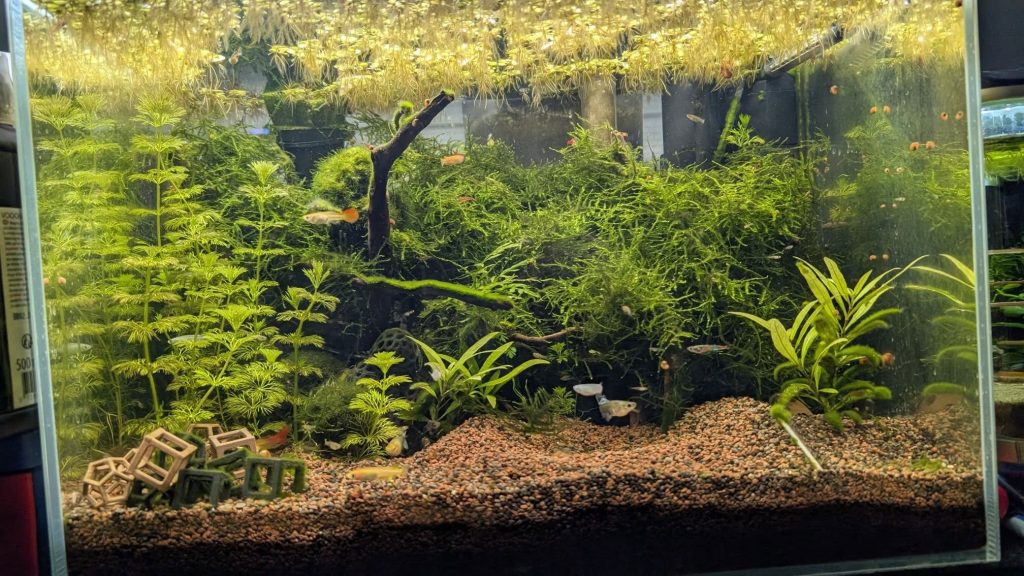
A scientific review on macrophyte–phytoplankton interactions notes that allelopathy is debated at the ecosystem level partly because in‑situ evidence is difficult to achieve.
And in some cases, more recent coexistence studies report no evidence of allelopathic effects under their tested conditions, which is a useful check against overconfidence.
So the honest answer is: allelopathy may occur in some situations, but it is not a guaranteed “anti-algae spell”.
What it might mean inside an aquarium
Aquariums are small, diluted, and often have filtration, carbon media, water changes, and constant water movement. All of that can reduce the concentration and persistence of plant-released compounds.
So if allelopathy happens in your tank, it may be subtle and easily overshadowed by the big three: light, carbon availability, and nutrient balance.
The practical use of allelopathy (the safe version)
Instead of chasing allelopathy as a trick, treat it as a bonus hypothesis:
Grow healthy plant mass.
Keep light realistic.
Avoid nutrient overload.
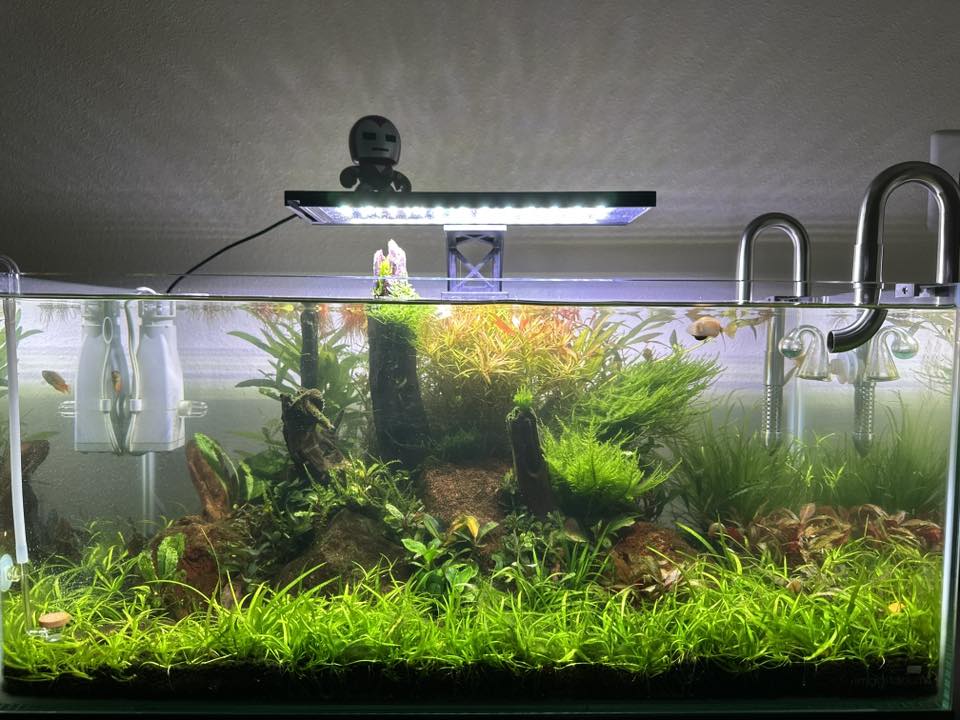
If algae is controlled, you win — regardless of whether chemical warfare helped.
Before you go, check my shrimp game — just go on home and wake up the shrimp.
Quick summary (save this)
– Aquatic plant allelopathy is studied, but it’s hard to separate from light and nutrient competition.
– Reviews note ecosystem-level relevance is debated and evidence can be mixed.
– In aquariums, dilution and filtration may reduce chemical impact compared with natural plant beds.
– Focus on the big controllables first: light, carbon, nutrients.